
SCIENTIFIC EVIDENCE
This section and is provided for doctors, scientists and health care specialists and may contain scientific information that is overly complex for the general public.
Read the PDF, there are 136 pages in total.
Curcumin
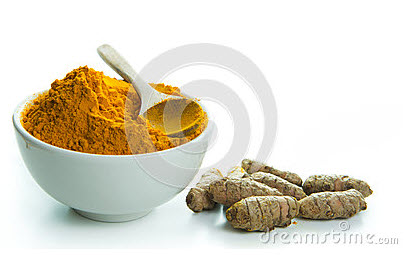
According to the National Cancer Institute: “A phytopolylphenol pigment isolated from the plant Curcuma longa, commonly known as turmeric, with a variety of pharmacologic properties. Curcumin blocks the formation of reactive-oxygen species, possesses anti-inflammatory properties as a result of inhibition of cyclooxygenases (COX) and other enzymes involved in inflammation; and disrupts cell signal transduction by various mechanisms including inhibition of protein kinase C. These effects may play a role in the agent’s observed antineoplastic properties, which include inhibition of tumor cell proliferation and suppression of chemically induced carcinogenesis and tumor growth in animal models of cancer.” Over 240 published studies have appeared in the global scientific literature in the past year. Many researchers believe that curcumin’s multimodal effects act to simultaneously counter ten discrete causative factors in cancer development. It intervenes at each stage in the complex sequence of events that must occur in order for a cancer to develop, progress, invade, and ultimately metastasize to healthy tissue. The multi-targeted mechanisms of curcumin have yielded compelling results in combating a broad array of cancers, including those of the breast, uterus, cervix, prostate and gastrointestinal tract. According to the American Cancer Society, while “Human studies of curcumin in cancer prevention and treatment are in the very early stages,” nonetheless “A number of studies of curcumin have shown promising results. Curcumin can kill cancer cells in laboratory dishes and also reduces growth of surviving cells. Curcumin also has been found to reduce development of several forms of cancer in laboratory animals and to shrink animal tumors.” The National Cancer Institute at the National Institutes of Health currently lists 12 active and 10 closed clinical trials involving the use of curcumin in fighting cancer. The Bio-curcumin BM95 version of the extract chosen for the RECNAC formula has a proprietary delivery form of curcumin, is clinically supported via human trials in terms of efficacy and safety with a bio-availability level of approximately 7.5 times high as regular curcumin.
Ginger
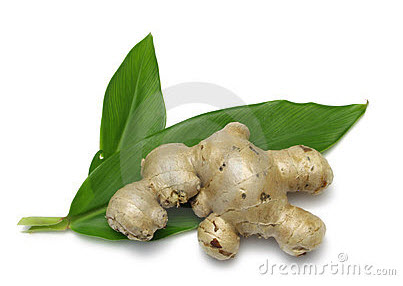
According to the National Cancer Institute: “An extract of the rhizome of the perennial plant Zingiber officinale with potential antineoplastic activity. Ginger extract contains a number of different phenolic compounds, some of which have displayed antineoplastic, anti-inflammatory, and antioxidant activities. This agent also exhibits antiemetic properties.” Some research has shown that ginger appears to offer a two-pronged attack on cancer cells: it makes them commit suicide, known as apoptosis, and self-digest, known as autophagy. The anti-carcinogenic properties come from the pungent constituents such as valinoids, gingeroids, and paradols, as well as some of the other components like shogaois and zingerone found in the aromatic rhizome of the herb
Green Tea
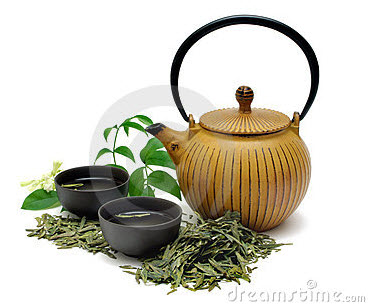
According to the National Cancer Institute at the NIH: “Some research suggests that green tea may have a protective effect against cardiovascular disease and against various forms of cancer …. Catechins are polyphenol compounds in tea that are associated with many of tea’s proposed health benefits… Epigallocatechin gallate (EGCG), the most abundant catechin in tea, acts as an androgen antagonist and can suppress prostate cancer cell proliferation, suppress production of prostate-specific antigen (PSA) by prostate cancer cells, and increase prostate cancer cell death in vitro …. Results from one in vitro study showed that prostate cancer cells were less susceptible to radiation -induced apoptosis when exposed to EGCG 30 minutes before radiation exposure …. Oral intake of either a green tea catechin solution or EGCG alone was associated with reduced development of prostate cancer in studies with transgenic adenocarcinoma of the mouse prostate (TRAMP) mice …. Results from a small placebo-controlled study of green tea catechins in men with high-grade prostatic intraepithelial neoplasia (HGPIN) showed a statistically significant decrease in the development of prostate cancer among men who were randomly assigned to receive the catechin supplement.
A larger, multicenter, randomized trial is now under way…. Studies of orally administered mixtures of tea catechins in men with prostate cancer have begun to provide information about biologic effects in this setting but are too preliminary to draw conclusions about clinical effectiveness …. Green tea has been well tolerated in clinical studies of prostate cancer patients, with the most common side effects being mild gastrointestinal symptoms.” The National Cancer Institute lists 9 active clinical trials underway currently as well as 3 closed trials.
Pomegranate Extract (men’s formula)

- Helps to fight against harmful free radicals and defend the body against damage caused by oxidation
- Supports prostate health
- Containing 40% ellagic acid
Vitamin D3 – 400iu/capsule
- Essential for calcium and phosphorus absorption, both of which contribute to the formation and strength of healthy bones and teeth
- Provides support for immune, breast, colon, pancreas and neuromuscular health.
RECNAC IS VEGETARIAN, HALAAL AND KOSHER AND ALL INGREDIENTS ARE FDA APPROVED. THE U.S.A. FEDERAL AND DRUG ADMINISTRATION (FDA) IS THE STRICTEST REGULATORY BOARD IN THE WORLD